

Land Partnerships
If you hold land, this is who you would be dealing with
Most landowners are approached by developers who need the deal more than they need the land. That pressure ends up in the building, and eventually in the reputation attached to your family name.
Why this conversation is different
Detra sits inside a group with operating businesses in technology, energy, agriculture and education. Land development is not the only thing paying the bills.
That matters to you in one specific way: our cash flow does not depend on your plot selling quickly. A developer under funding pressure pushes for a fast launch, cuts specification to protect margin, and treats the landowner as an obstacle once the papers are signed. We are not structured that way, and the whole company is built around not being.
It also means we can afford to say no. If a parcel is not right, we will tell you in the first conversation rather than tying it up in an exclusivity agreement while we decide.
Three ways this can work
Which one suits you depends on whether you want certainty now or a share of what gets built. We will tell you honestly which we think fits your parcel, including when that is not the one that suits us best.
-
Joint development, area share
You contribute the land, we develop it, and you receive an agreed share of the built area. You end up owning residences rather than a cheque, which suits owners who want to hold rather than exit.
-
Joint development, revenue share
You take an agreed share of sales revenue as it comes in, against a defined schedule. Simpler than area share if you want liquidity rather than units, and it keeps both sides pointed at the same outcome.
-
Outright purchase
We buy the parcel and you are done. Cleanest if you want certainty, no ongoing involvement, and no exposure to how long the project takes to sell.
We do not quote a ratio before seeing the land. Any developer who gives you a number on the phone is either guessing or anchoring you. The share depends on location, permissible development, title condition and how long approvals will take, and we will put ours in writing once we have looked properly.
What we look at
Five things decide whether a parcel works. None of them are secret, and you can assess most of them yourself before you call anyone.

- LocationPune and the corridors around it. We build where we can be on site the same day, because supervision is not something we intend to outsource.
- TitleClean title is simplest. We will also look at parcels with succession issues, unregistered family arrangements or pending mutation, provided the path to clearing them is real and you want it solved rather than papered over.
- Permissible developmentZoning, the Development Plan reservation if any, FSI available including TDR and premium, and any set-back or road-widening that eats into what can actually be built.
- AccessLegal access on record, not just a track people have used for forty years. This is the single most common thing that stops an otherwise good parcel.
- EncumbrancesAgricultural loans, mortgages, tenancy rights, court orders, and anything sitting in Column 12 of the 7/12 that has not been cleared.
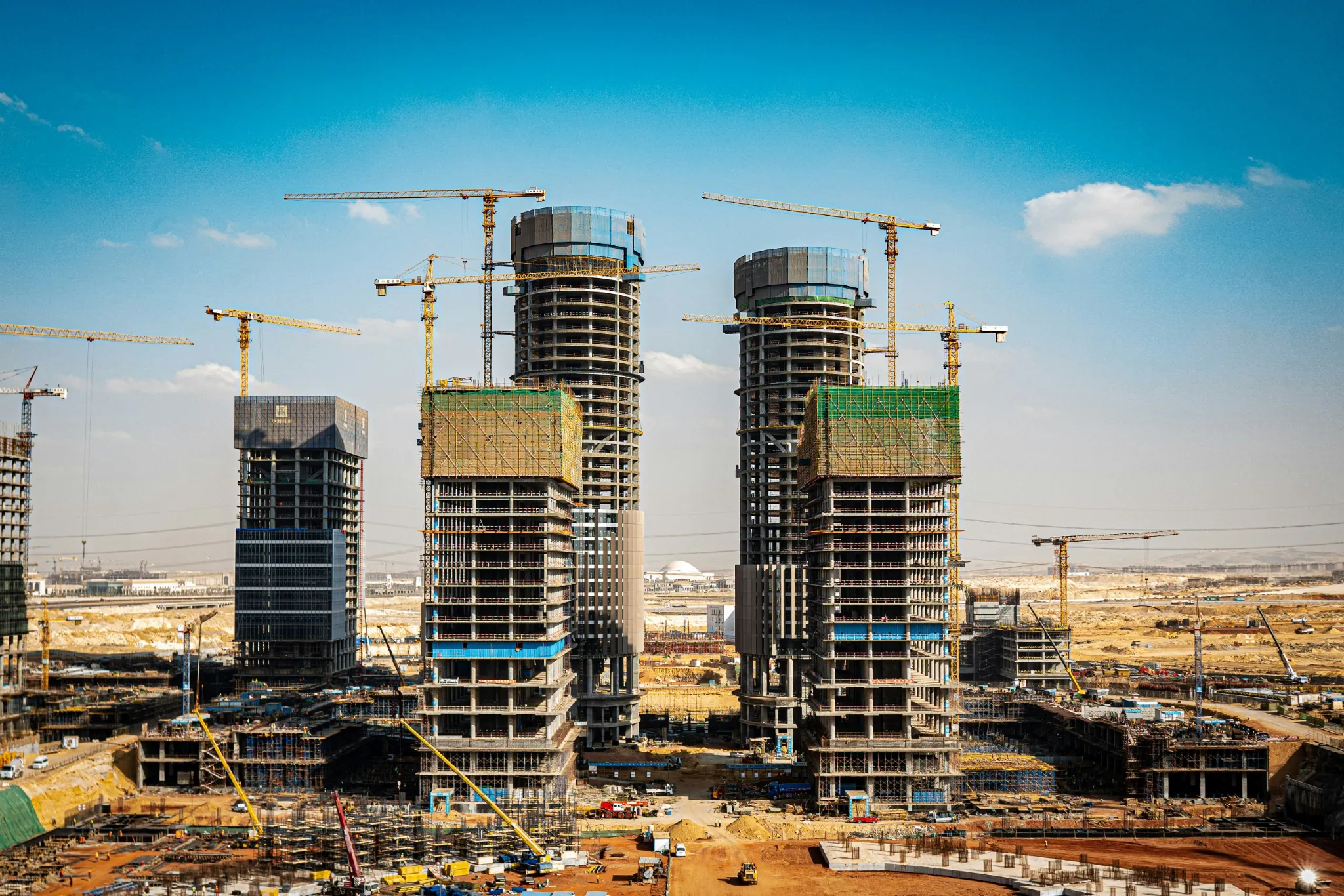
Your family name ends up on the road outside. We take that as seriously as you do.
How it proceeds
Six steps. You are told what we found at every one of them, including when what we found is a problem.
- 01
A conversation, with no paperwork
Location, survey numbers, approximate area and what you are hoping for. Nothing to sign, and no exclusivity asked for at this stage.
- 02
Desk check and a site visit
We pull the records, read the Development Plan, and walk the land. Usually inside two weeks.
- 03
An indicative structure, in writing
Which of the three routes we think fits, and the shape of the terms. In writing, so you can show it to your own advisers rather than remembering what was said.
- 04
Due diligence, jointly
Title search, encumbrance check, measurement, and confirmation of permissible development. You see the same reports we do. If something turns up, you hear it from us first.
- 05
Term sheet, then agreement
A term sheet before lawyers get expensive, then a registered development agreement or sale deed. Your advisers, your pace.
- 06
Approvals and build
MahaRERA registration before anything is marketed, and the same dated progress updates our buyers get. You are not the last to know what is happening on your own land.
What to have ready
You do not need all of this to start a conversation. You will need it before anyone can give you a serious number, and gathering it early is the difference between weeks and months.
- 7/12 extract for each survey or gat number, current
- 8A extract where the holding is agricultural
- Property card if the land falls in a city survey area
- Mutation entries (Ferfar) showing the chain of changes
- Title deeds and the ownership chain, ideally thirty years
- Encumbrance certificate
- NA order from the Collector, if conversion has been done
- Zoning or DP remark from the planning authority
- Measurement map or Tippan, and the demarcation if done
- Succession papers where the holding is inherited or joint
Ask any developer these
Including us. If a straight answer is not forthcoming, that is your answer.
- Where is your funding fromIf the project depends entirely on pre-sales, a slow market becomes your problem too.
- What have you deliveredAsk for handed-over projects, not launched ones. We will tell you plainly that our first residences are in planning.
- What happens if approvals stallAsk what the agreement says about time limits, and what you get back if nothing gets built.
- Who supervises constructionAsk whether it is the developer’s own team or entirely contracted out, and who answers when something is wrong.
- What do you want signed todayA developer asking for exclusivity in a first meeting is protecting themselves, not evaluating your land.
Tell us about the parcel
Survey or gat number, village or area, and roughly how much land. That is enough for a first conversation. Everything you send stays between us and is not shared with brokers or aggregators.